
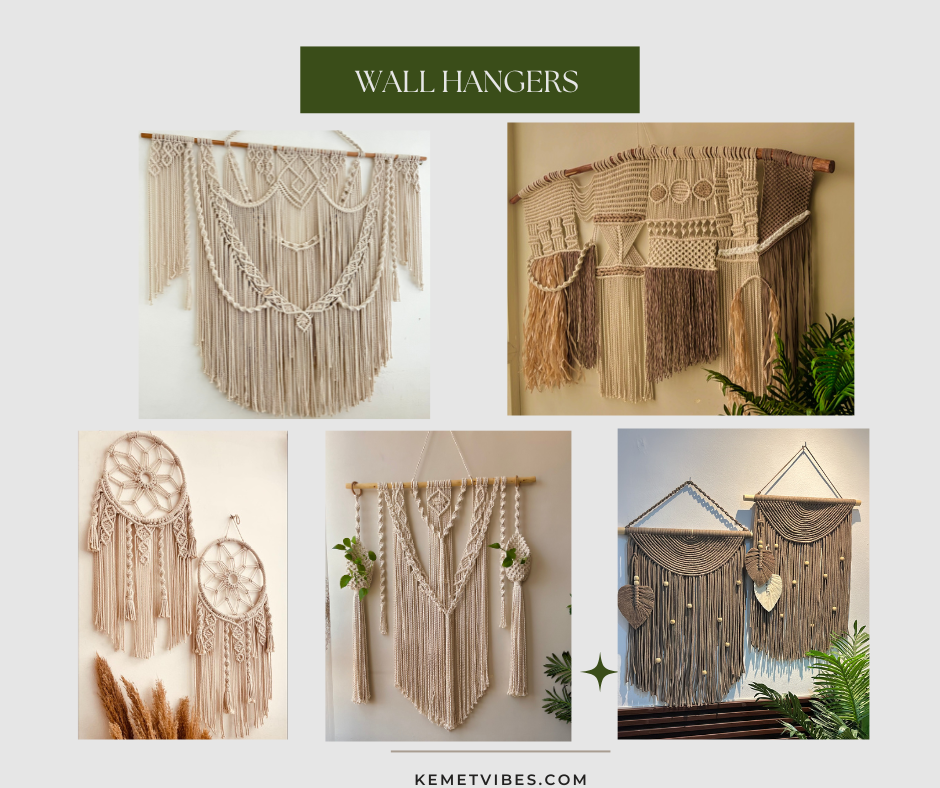
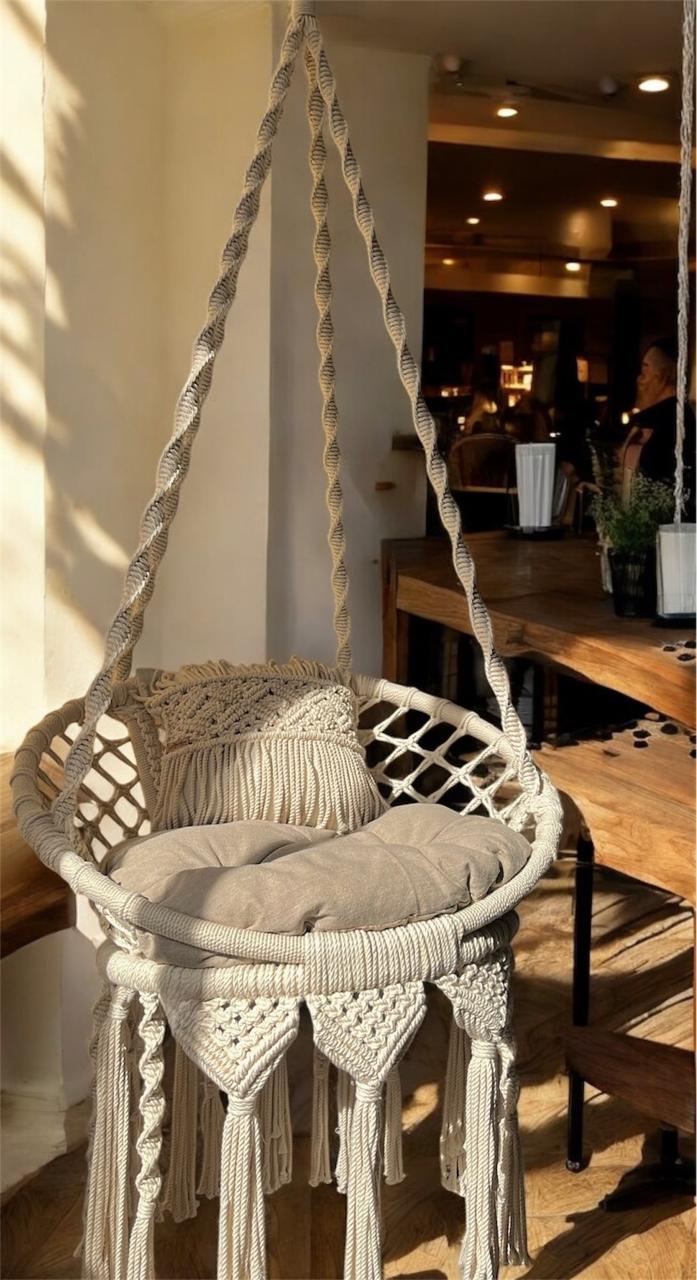
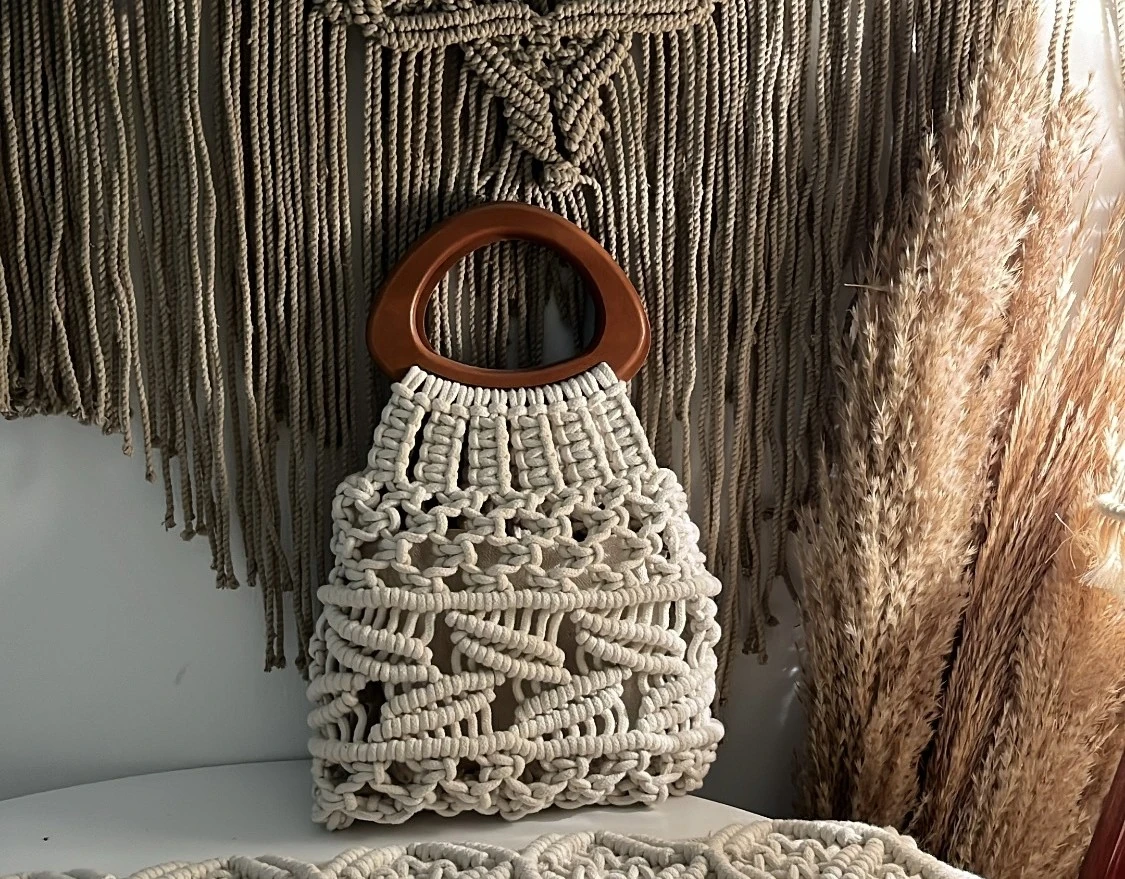
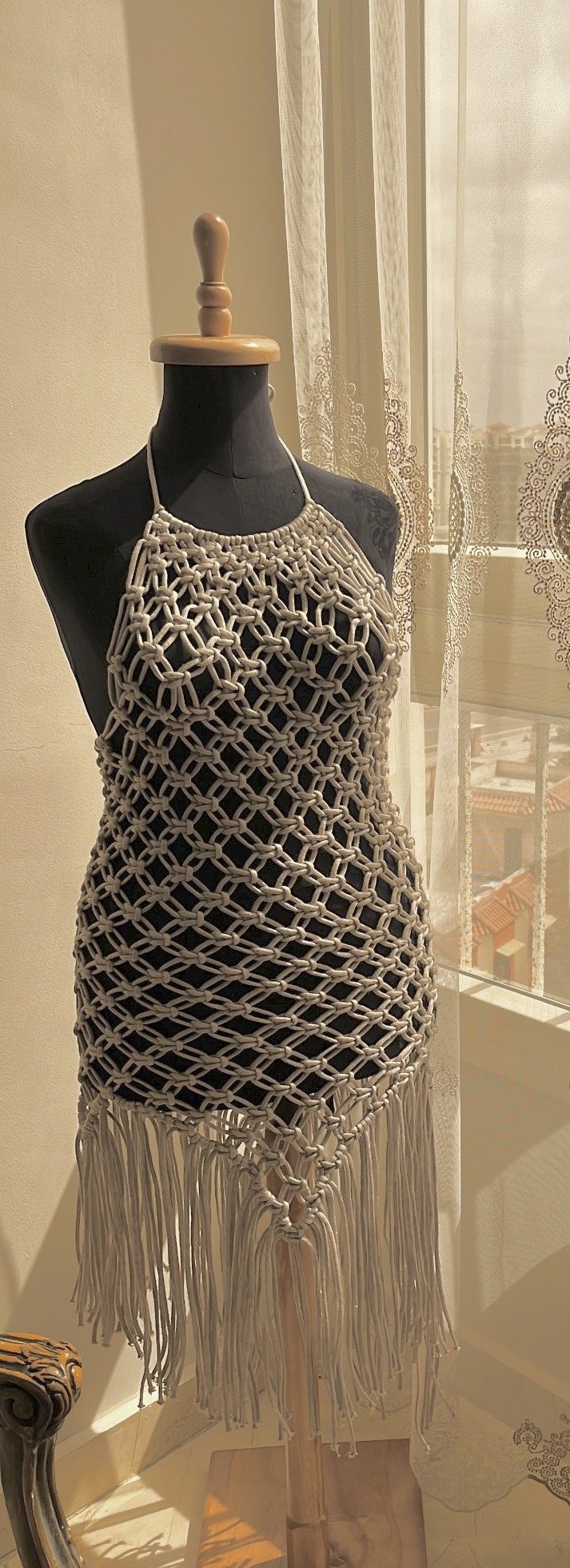
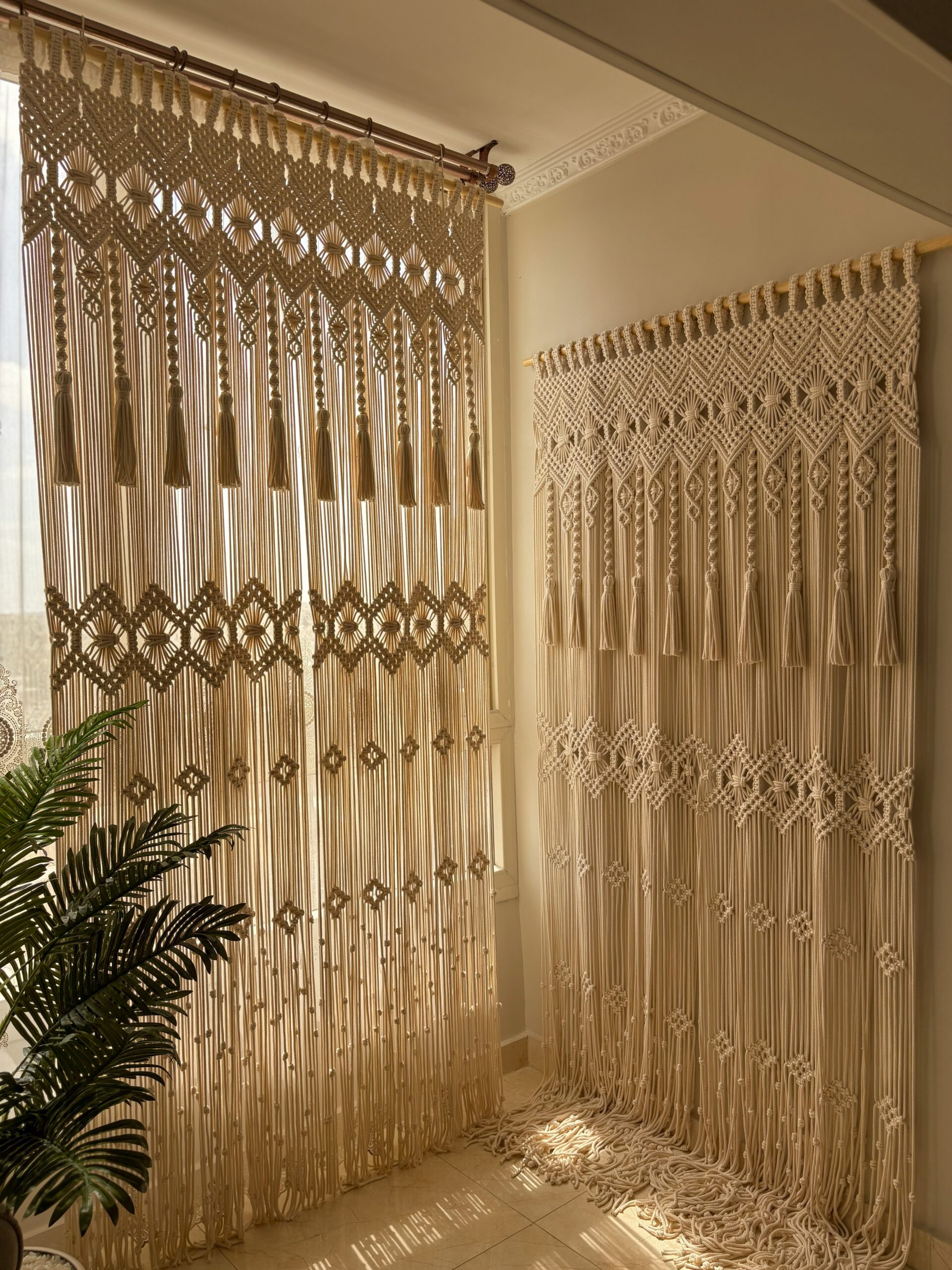
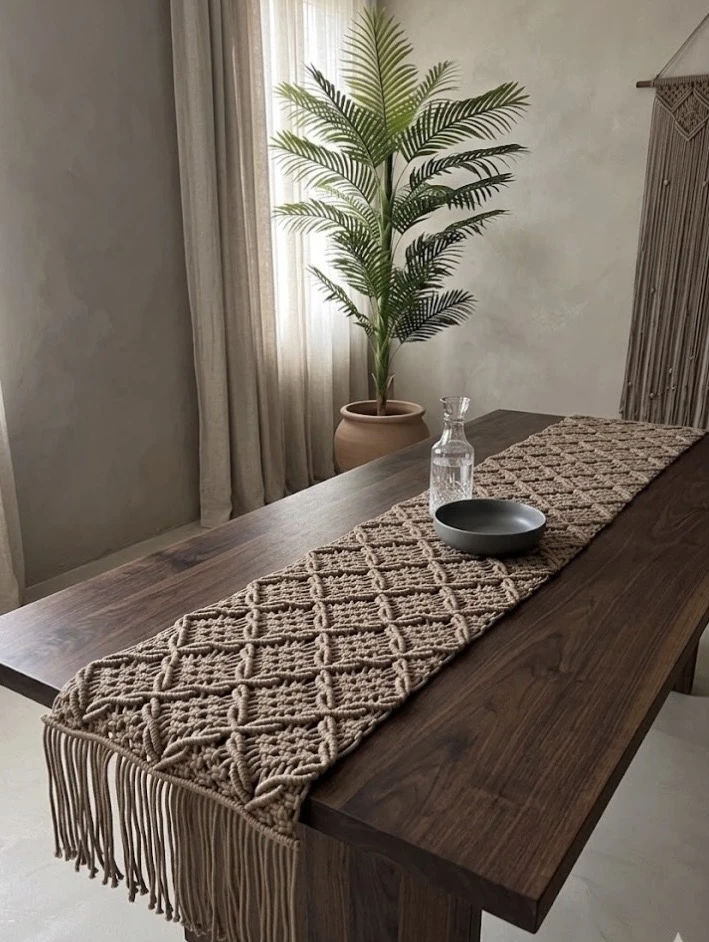
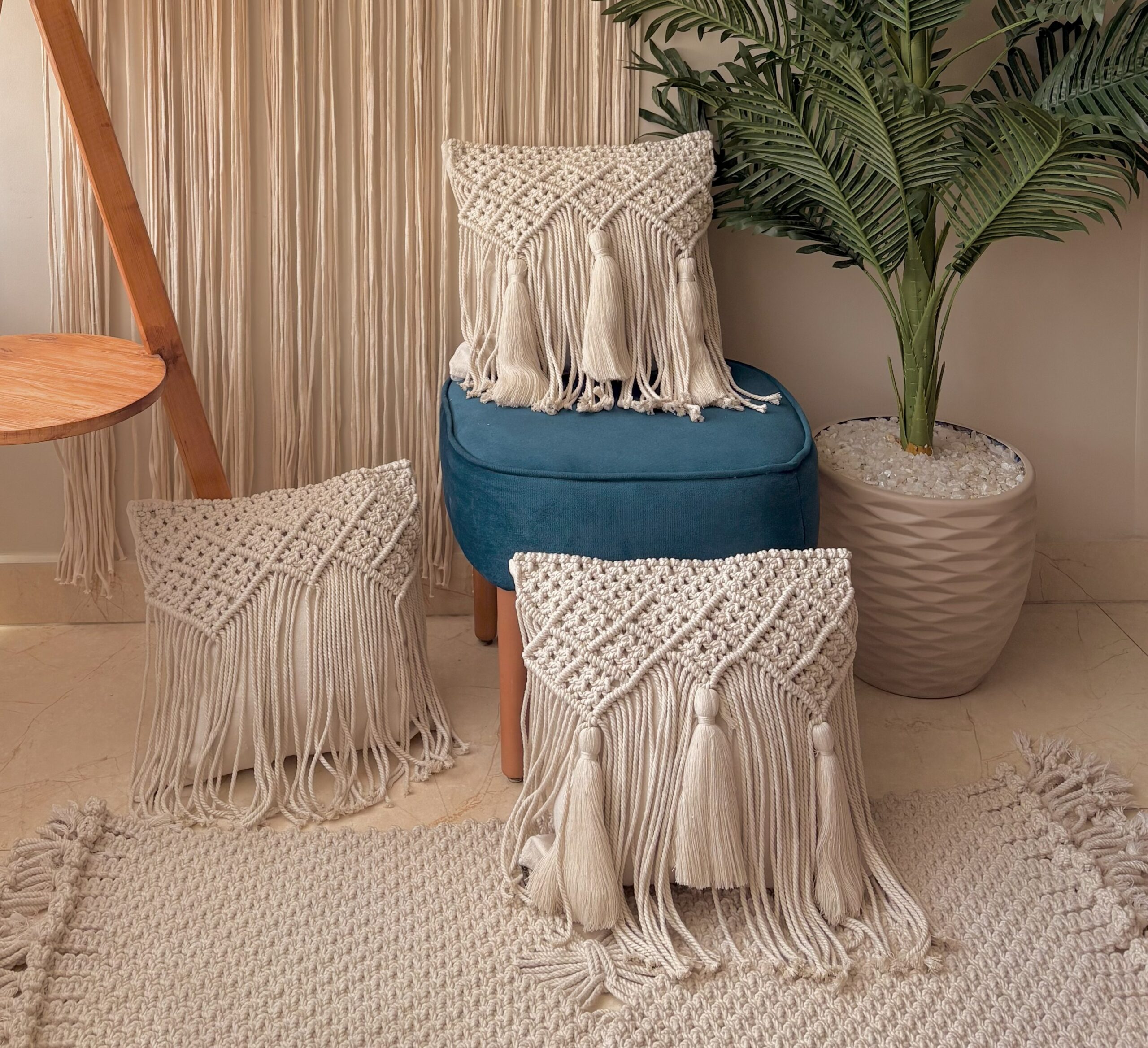
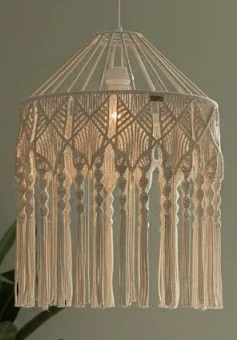

Few crafts balance simplicity and beauty as elegantly as macrame. With just a few cords and an artist’s patience, stunning creations emerge from minimalist wall hangings to intricate plant holders and handmade accessories.
A Craft Rooted in History
The origins of macrame trace back to 13th century Arab weavers, who used knots to secure the fringes of handwoven fabrics. The technique traveled to Europe through trade routes, becoming especially popular in Italy and France during the Renaissance. Sailors later spread it worldwide, using knots both decoratively and practically while at sea.
The Process: Turning Cord into Art
At its heart, macrame is a meditative process. The artist starts by anchoring cords to a base, such as a wooden dowel or metal ring. Through carefully arranged knots often the square knot, half-hitch, or lark’s head cords intertwine into geometric or flowing patterns.
Each design grows rhythmically, with repetition creating texture and movement. The simplicity of the materials belies the complexity of the final product every piece is handmade and unique.
Modern Revival
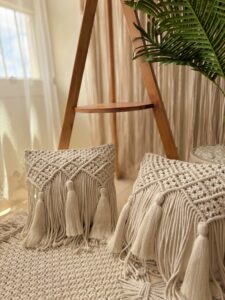
Macrame saw a major revival in the 1970s, adorning bohemian homes and fashion collections. Today, it’s back again but with a modern twist. Artists blend traditional knots with minimalist design, neutral colors, and sustainable materials like organic cotton and bamboo fiber.
From hanging planters in cafés to wall tapestries in modern interiors, macrame has become synonymous with natural beauty, calm, and craftsmanship.
Why Macrame Matters
In an age of mass production, macrame reminds us of the beauty in slow creation. Each knot carries time, focus, and intention. It’s a reminder that art doesn’t always require paint or clay sometimes, all it takes is a few strands of cord and the patience to tie them together.

admin
Test
admin
Reply Test